
Understanding the Key Differences Between Aluminum Alloy and Various aluminum alloy doors and windows price inquiryThermal Break Aluminum Windows
When choosing windows for modern buildings, many homeowners and architects face a common dilemma: standard aluminum alloy or thermal break aluminum? While both options have their merits, understanding their fundamental differences can help make an informed decision that balances performance, aesthetics, and budget.
The Basics of Aluminum Alloy Windows
Standard aluminum alloy windows have been a popular choice for decades due to their durability and sleek appearance. These windows are made from a single piece of aluminum, which gives them excellent structural strength. However, this same feature creates a significant thermal bridge - meaning heat can easily transfer through the metal frame.
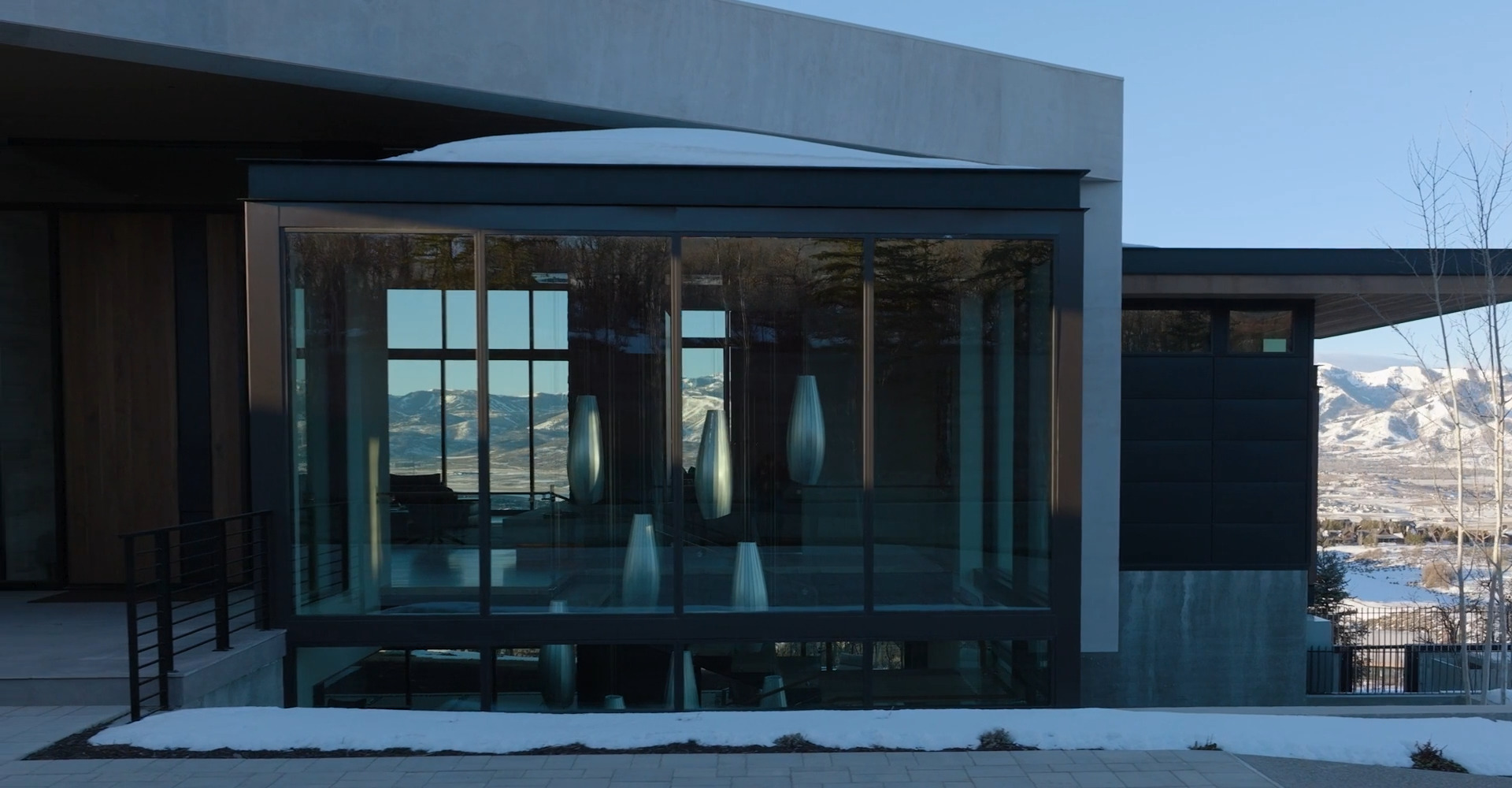
APEX ALUMINUM offers premium aluminum alloy windows that address some traditional limitations. Their advanced manufacturing process enhances the material's natural corrosion resistance while maintaining the clean lines architects love. Still, in extreme climates, these windows may require additional insulation measures.
What Makes Thermal Break Aluminum Special
Thermal break aluminum windows represent a technological leap in window design. These frames feature a clever interruption in the metal - a non-conductive barrier (usually polyamide) that separates the interior and exterior aluminum components. This simple yet effective design dramatically reduces heat transfer.
Key advantages of thermal break systems include:
- Up to 60% better thermal performance than standard aluminum
- Reduced condensation issues in humid climates
- Improved energy efficiency without sacrificing durability
Performance Comparison: Where Each Type Excels
Choosing between these two window types often comes down to specific project requirements. Standard aluminum alloy windows shine in commercial applications where structural integrity and fire resistance are priorities. Their simpler construction also makes them more budget-friendly for large-scale projects.
Thermal break aluminum, on the other hand, proves invaluable in residential settings and energy-conscious projects. APEX ALUMINUM's thermal break solutions, for instance, can help buildings achieve stricter energy codes while maintaining the slim profiles desired in contemporary architecture.
Climate Considerations
Your local climate plays a crucial role in this decision. In mild, temperate zones, standard aluminum might suffice. But in areas with extreme temperatures - whether hot or cold - thermal break windows can significantly reduce HVAC costs. Some studies suggest the energy savings can offset the higher initial cost within 3-5 years.
Installation and Maintenance Factors
Both window types share similar installation processes, though thermal break systems may require slightly more precision to ensure the thermal barrier remains effective. Maintenance is equally straightforward for both, with aluminum's natural resistance to rust and decay being a shared advantage.
Where they differ is in long-term performance. Standard aluminum windows might develop minor thermal expansion issues over time in fluctuating temperatures, while thermal break designs naturally accommodate these movements better.
Making the Right Choice for Your Project
When evaluating options, consider these key questions:
- What are your energy efficiency goals?
- What climate challenges does your building face?
- Does the project have budget constraints?
- What aesthetic requirements must be met?
For projects where energy performance can't be compromised, APEX ALUMINUM's thermal break windows offer an excellent balance of form and function. Their range includes various finishes and configurations to suit different architectural styles while delivering superior thermal performance.
The Future of Aluminum Windows
As building codes become stricter and energy costs rise, thermal break technology is becoming the standard rather than the exception. Manufacturers like APEX ALUMINUM continue to innovate, developing hybrid systems that combine the best attributes of both window types. These advancements make aluminum windows an even more compelling choice for modern construction projects.
Ultimately, whether you choose standard aluminum alloy or thermal break windows depends on your specific needs. Both options offer distinct advantages, and understanding these differences ensures you'll select the right solution for your building's requirements and your long-term satisfaction.